The children you already picture.
The one in your office by 9:15
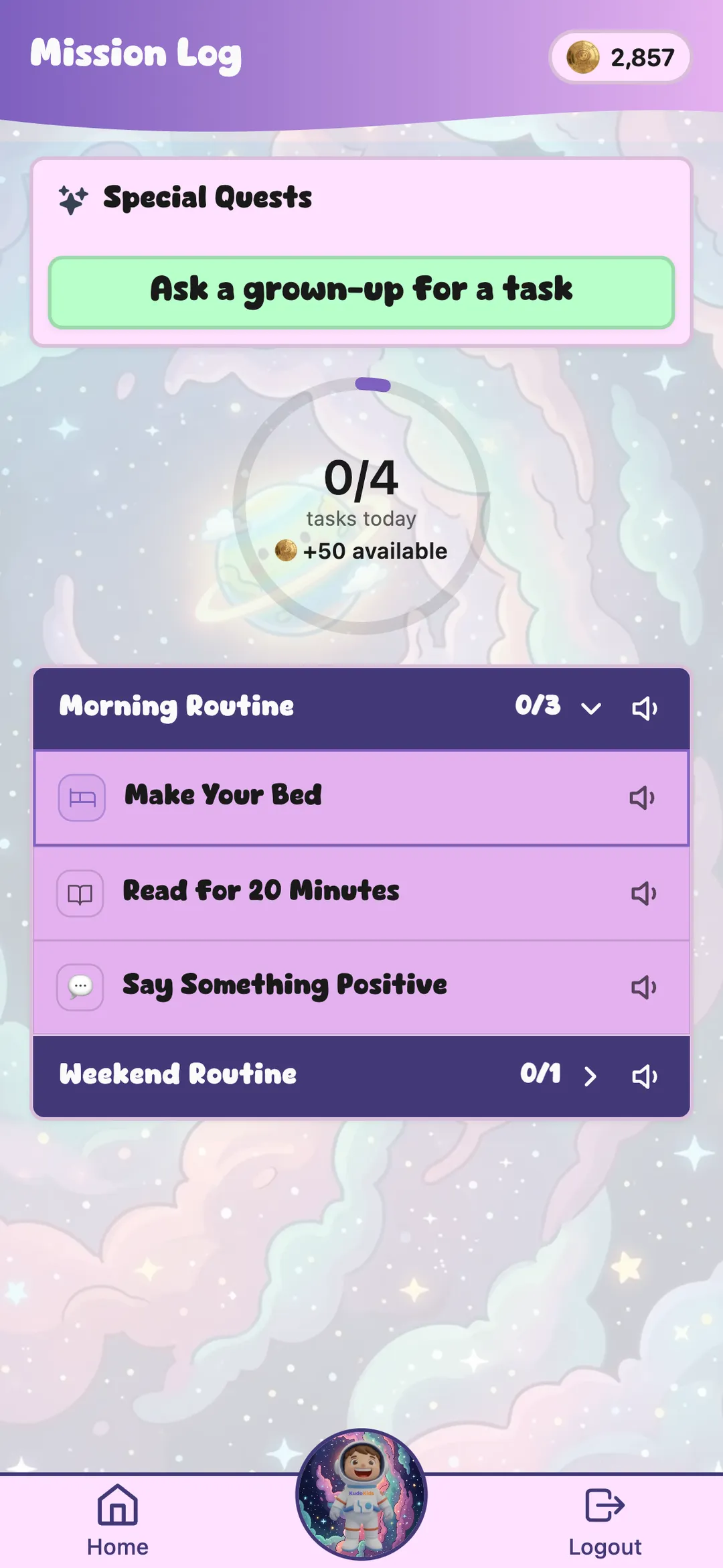
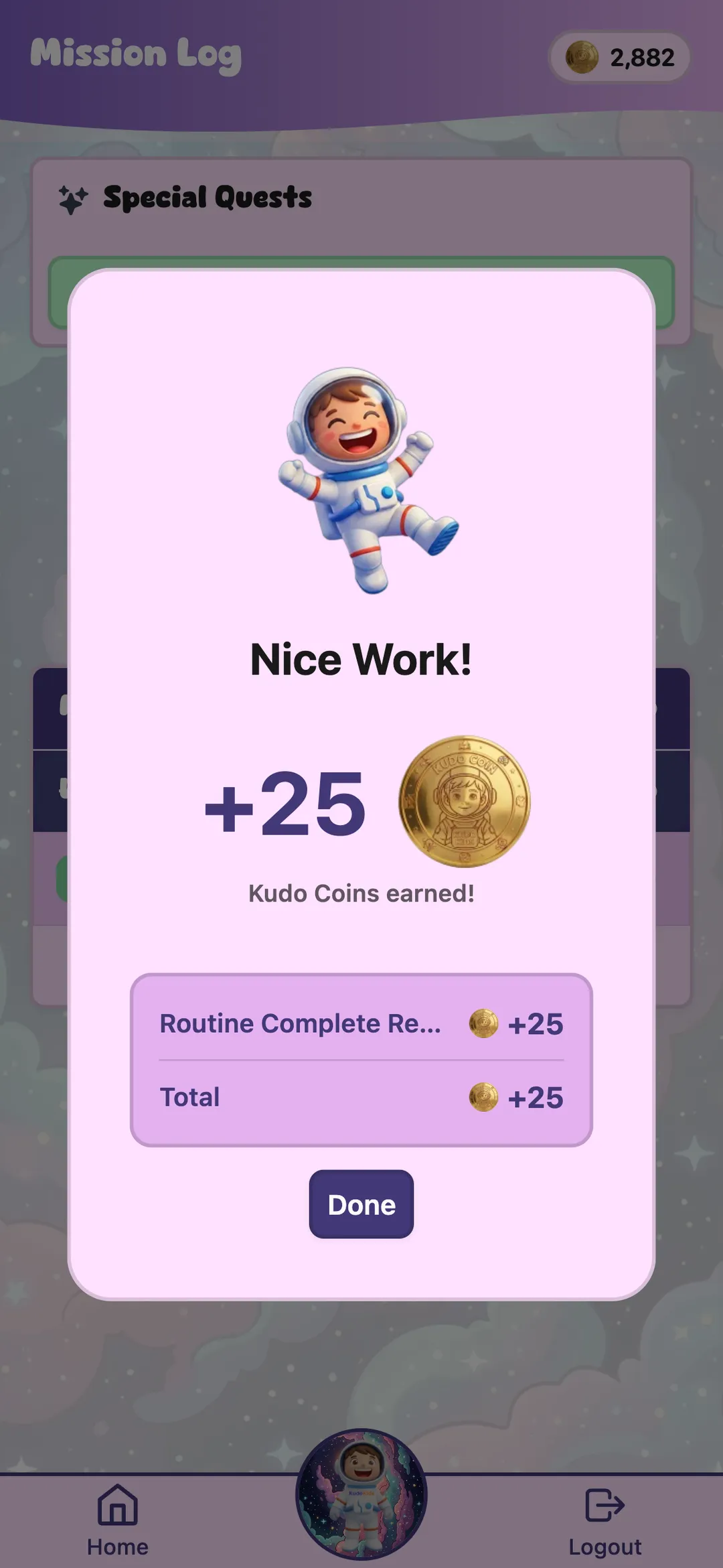
The morning was already lost before they walked in — the fight over getting dressed, the breakfast nobody ate. Whatever makes that morning go differently reaches the child before any pull-out can.
In a meta-analysis, parents' home involvement was linked to better social and emotional adjustment and fewer behavior problems. — Barger et al. (2019), Psychological Bulletin.
The one who can't yet name it
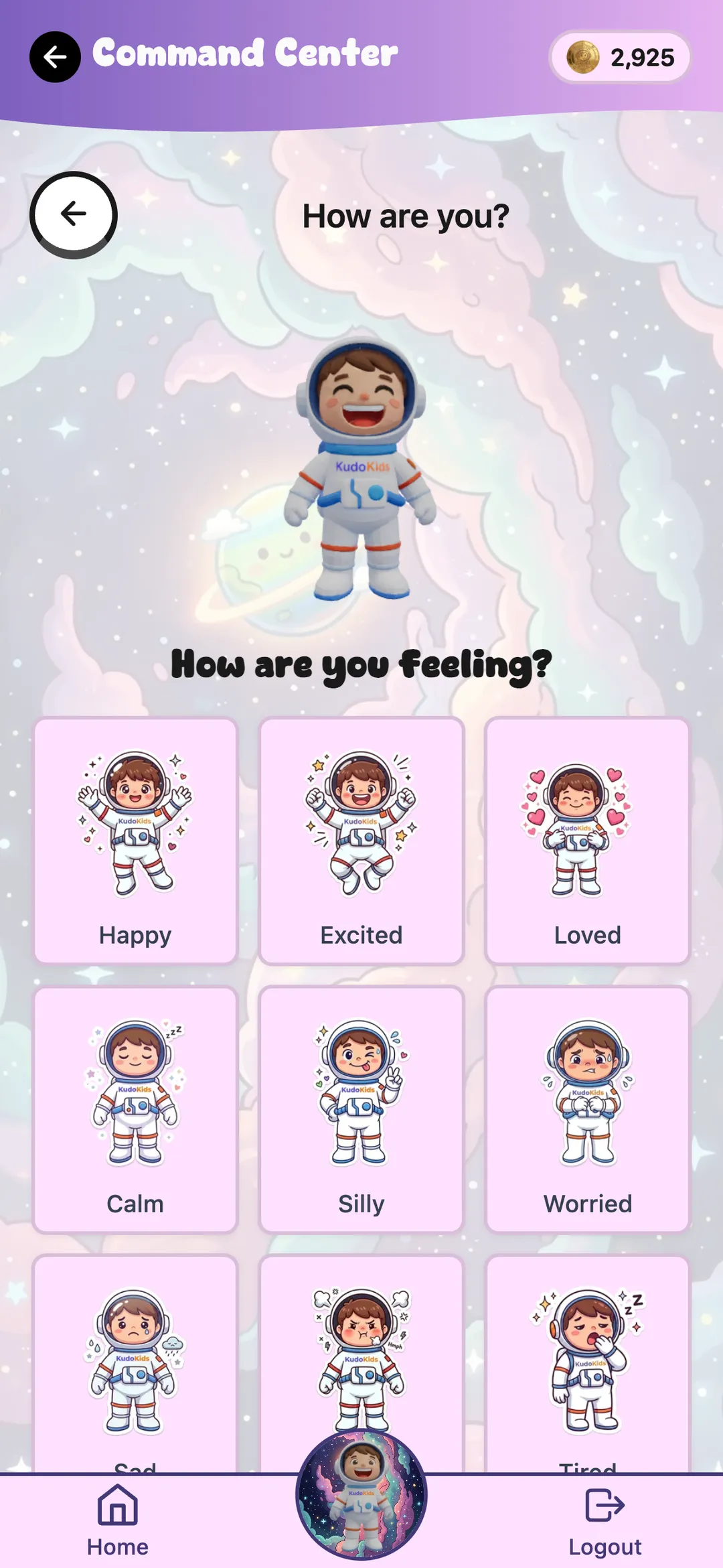
Most young kids can't tell you what they feel — they show you, usually at the worst moment. A warm daily check-in is quiet practice at putting words to it, long before the day it matters.
Five-year-olds' ability to name emotions predicted their social behavior and academic competence at age nine. — Izard et al. (2001), Psychological Science.
The one who only hears what they did wrong
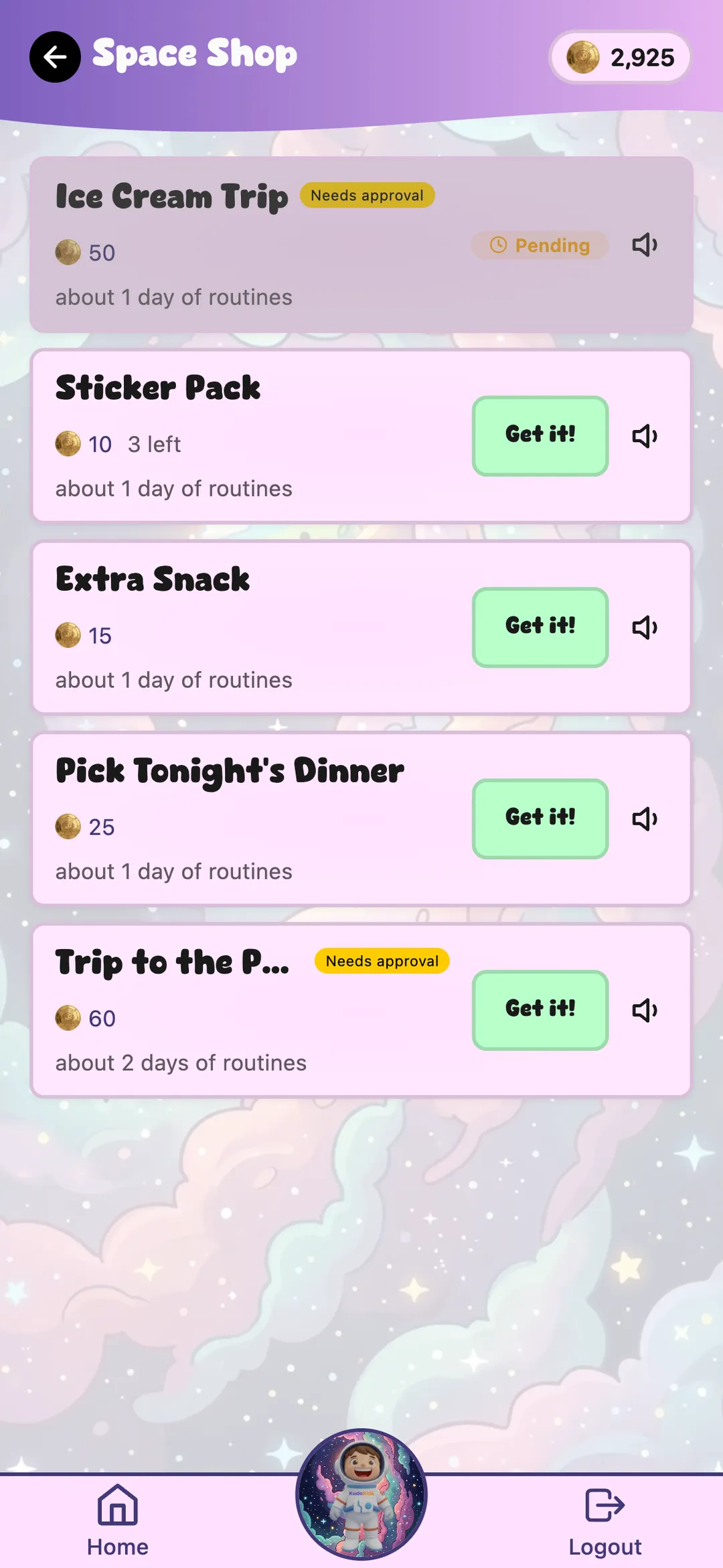
By March, some kids have collected a long record of everything they got wrong. At home, finishing a routine finally gets noticed and rewarded — the same effort, a different verdict.
Structured family–school engagement improved parent–teacher relationships, most for students with behavior concerns. — Smith et al. (2022), School Mental Health.
These citations describe how KudoKids is designed. The researchers and institutions named haven't evaluated KudoKids, and we make no claim about results for your students.